
Something that’s always bothered me is the constant need to explain everything in stories.
The Alien franchise couldn’t help but explain the origins of the Alien. Likewise, a common complaint about the Star Wars prequels is the demystifying of “the force” with it being linked to midi-chlorians.
If you give it enough thought you’ll find a lot of examples. While not all of them are bad (some are actually very good), many of them are needless.
Having mystery and intangibility adds a lot to any story, especially in Dungeons and Dragons. Intangibility can make your world, well, tangible.
Think about how magic works in D&D. We can make up fancy terms like “the weave” or explain that it’s science based like in the Eberron setting, but these are vague ideas. When someone invokes “the weave” it sounds magical and needs no other explanation. It’s why magic can happen in the Forgotten Realms.
Sure, the weave has been explained in detail but most players will never dig that deep, nor will your average dungeon master. But everyone understands the basics.
The Alien doesn’t need to be explained. All of its power comes from not knowing. You see how unstoppable it is throughout the movie, by the end you’re not even sure if you’ve seen everything it can do. It’s hardly breath of fresh air when it’s supposedly defeated at the end, could it really be gone?
When you think of the force, before the prequels at least, it’s somewhat awe-inspiring. It’s too big to unravel. It resides in all things. it can be sensed and felt, and very few can wield it. It’s space magic. That’s all you need to know.
Why does it need to be anything but intangible.
“Josh, buddy, where are you going with this?”
I think that’s pretty clear, so I don’t know why I’m pretending that you said that.
Add mysteries to your games, and hardly explain them. Or even better, don’t at all.
I know, it’s tempting to explain the entire origin of your universe. I do it too. Honestly, it’s fun to do so, but every time I’ve ever done it the world has felt less real.
There’s not only more to scrutinize when there did not need to be, but it gives your players the impression that their characters can find the answer to anything.
I think it’s fun to have a mystery that can’t be fully explained. They can find small bits and pieces to whatever mystery you have added but then they can make their own conclusions.
With that being said:
Hey. I’m about to talk about Elden Ring lore for a bit, I’m not sorry. If you know you know.
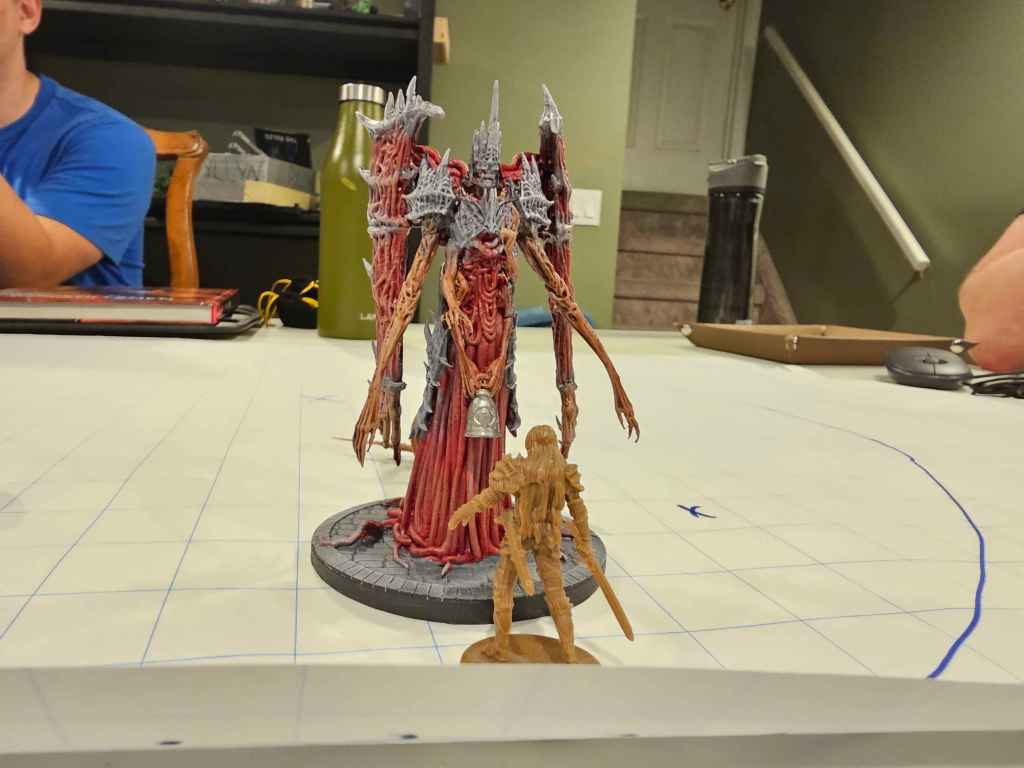
The best part of FromSoftware games like Dark Souls and Elden Ring is that there’s a thousand little mysteries where they give you tons of small pieces of lore but then leave it just vague enough for the player to solve.
If you search “Who is Melina,” you’ll have both so little to read as the game hardly mentions her in any of it’s lore, and an insane amount of theories based off of those small bits of information.
At one point, the community largely believed her to be a character called the Gloam-Eyed Queen. But with the release of the DLC, this theory has only gotten more complicated. I don’t want to take that fun journey away from you, so I’ll stop this string of thought before it’s too late. Go read some Elden Ring lore. Or just ask me for some, I promise I won’t shut up,
The point is that with the extremely small amount of information on Melina players have collectively written a novel on her supposed identity. Depth is amazing, explaining away every detail is not.
Your players can do this type of theory crafting too.
In my current campaign I have an event called “The Calamity,” it’s an event that caused a changed to how magic works in my world permanently.
I’ve given small details out to my players, vague visions, the mad writings of a wizard, the sight of those punished for it. Cool cryptic like things.
Watching my players write down notes fiercely trying to add all the little details together is a feeling I can’t convey, but it’s the most rewarding part of being a DM.
Outlines are good, hard facts are not.
I have an idea of what The Calamity actually was, but if my player approached me with a theory that I really like, I can both keep the mystery alive and adapt it without anyone knowing that it wasn’t the original intent. I think that’s super cool.
Keeping things a mystery not only keeps things exciting but they allow you to keep the setting fluid.
Once we establish midi-chlorians or the origins of the Alien, there is no going back, the intrigue is lost and it’s suddenly less real by trying to make it more real. If that makes sense.
As a rule of thumb: If your players are not asking for more depth, don’t give it until it becomes absolutely needed. That’s the best part of being a DM, you get to choose if that info is ever needed. So tread carefully.
It takes a lot of discipline to not want to share every secret you have with your players or to rush things to get those answers but I promise you if you take your time and lay things out carefully that your players will do the work and keep the world alive for you.
But hey, that’s just a suggestion. Do what you want, it’s your game. Probably.
That’s all I got today.
Figured I’d write something short for D&D, it’s been a bit and I have nothing exciting to write for any other game. So thanks for reading.
Be safe, drink lots of water, go play Runescape.
 3UpTableTop
Leave a comment